While we are 100% behind the U.S. Men’s National Team, we kind of like France’s team uniform.

U.S. total broiler slaughter data for the week ending June 20, 2026, is estimated by USDA’s Poultry Market News Service to be 173,125,000 broilers, a 2-percent increase from the same week a year earlier.
The 2-percent increase in slaughter compares with a 3-percent increase in eggs set in the United States, 10 weeks earlier, and a 4-percent increase in chicks placed 7 weeks earlier in the United States. USDA’s latest Broiler Hatchery report can be viewed here.
| U.S. Eggs Set, Chicks Placed, Broiler Slaughter Report | ||||||||||
| Week ending | Eggs set | Chicks placed | Eggs set | Chicks placed | Broilers slaughtered | |||||
| change from | change from | 10 weeks previous | 7 weeks previous | |||||||
| 1 year | 1 year | 1 year | 1 year | 1 year | ||||||
| -000- | % | -000- | % | -000- | % | -000- | % | -000- | % | |
| May | ||||||||||
| 16 | 256,660 | 102 | 198,526 | 103 |
253,644 | 102 | 195,765 | 102 | 170,711 | 101 |
| 23* | 256,395 | 102 | 198,833 | 103 |
253,754 | 102 | 196,663 | 103 | 174,103 | 101 |
| 30 | 257,497 | 102 | 197,400 | 102 |
255,241 | 103 | 197,285 | 100 | 156,314 | 104 |
| Jun | ||||||||||
| 6 | 257,160 | 102 | 198,492 | 103 | 256,471 | 103 | 198,480 | 104 | 173,295 | 103 |
| 13 | 254,939 | 101 | 198,419 | 102 | 253,609 | 102 | 195,753 | 102 | 172,275 | 101 |
| 20 | 254,438 | 101 | 198,899 | 102 |
256,827 | 103 | 198,754 | 104 | 173,125 | 102 |
| 27 | — | — | — | — |
256,143 | 102 | 198,147 | 103 | — | — |
*Memorial Day Weekend
WHAT HAPPENED: USDA’s Marketing and Regulatory Programs (MRP) mission area this week announced a reorganization of the Agricultural Marketing Service (AMS), along with the appointment of Kelly Moore as permanent Administrator of the Animal and Plant Health Inspection Service (APHIS). On the AMS side, the agency will restructure its Fair Trade Practices Program by moving commodity-specific functions into the appropriate AMS commodity or service programs. Most notably for the chicken industry, the Packers and Stockyards Division will move to the Livestock and Poultry Program. USDA says the changes will be accompanied by no reduction in force.
WHY IT MATTERS: The Packers and Stockyards Division’s move to the Livestock and Poultry Program is the most significant piece of this reorganization for NCC members. USDA says the realignment is intended to reduce siloing, streamline communication, and give industry stakeholders a single point of contact for AMS-related issues — which could mean more direct and efficient engagement on issues like Packers and Stockyards regulations. Moore’s permanent appointment at APHIS brings stability to an agency that plays a critical role in managing animal disease threats, including HPAI and New World Screwworm.
WHAT’S NEXT: AMS says it will gradually reduce its Washington, D.C.-area footprint, with most future hiring occurring in USDA hub cities or field offices. Both AMS and APHIS have pledged continued stakeholder engagement throughout the transition. NCC will monitor how the Packers and Stockyards Division’s integration into the Livestock and Poultry Program affects day-to-day industry engagement and ongoing regulatory proceedings.
The NCC Summer Board of Directors meeting took place last week, June 12-13, in Jackson Hole, Wyoming. Here are a few photos from the event.
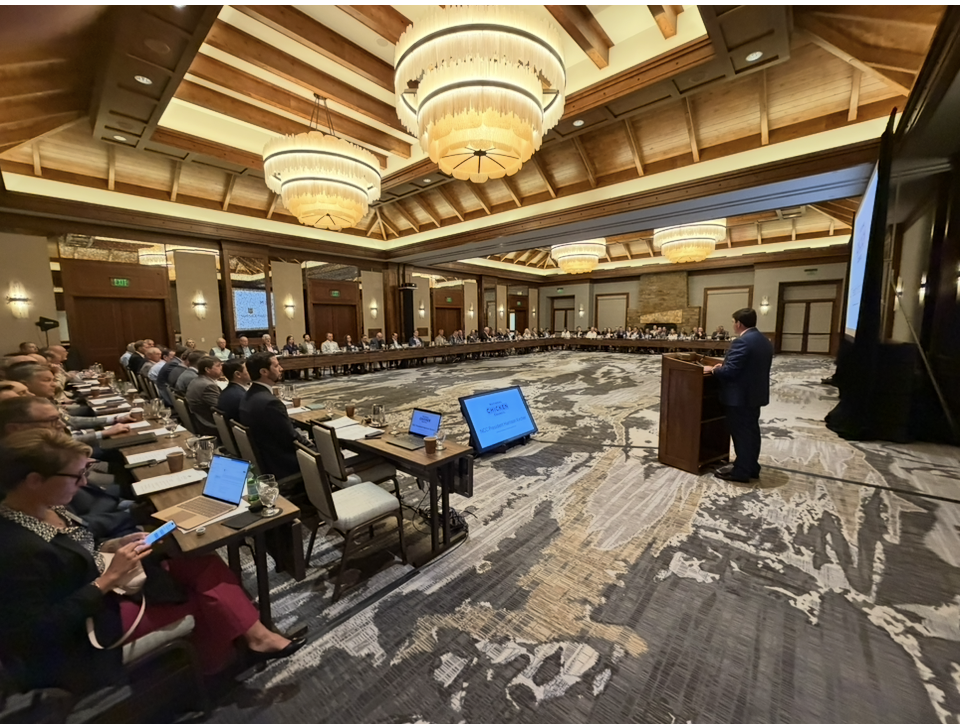
NCC President Harrison Kircher kicks off the meeting with opening remarks
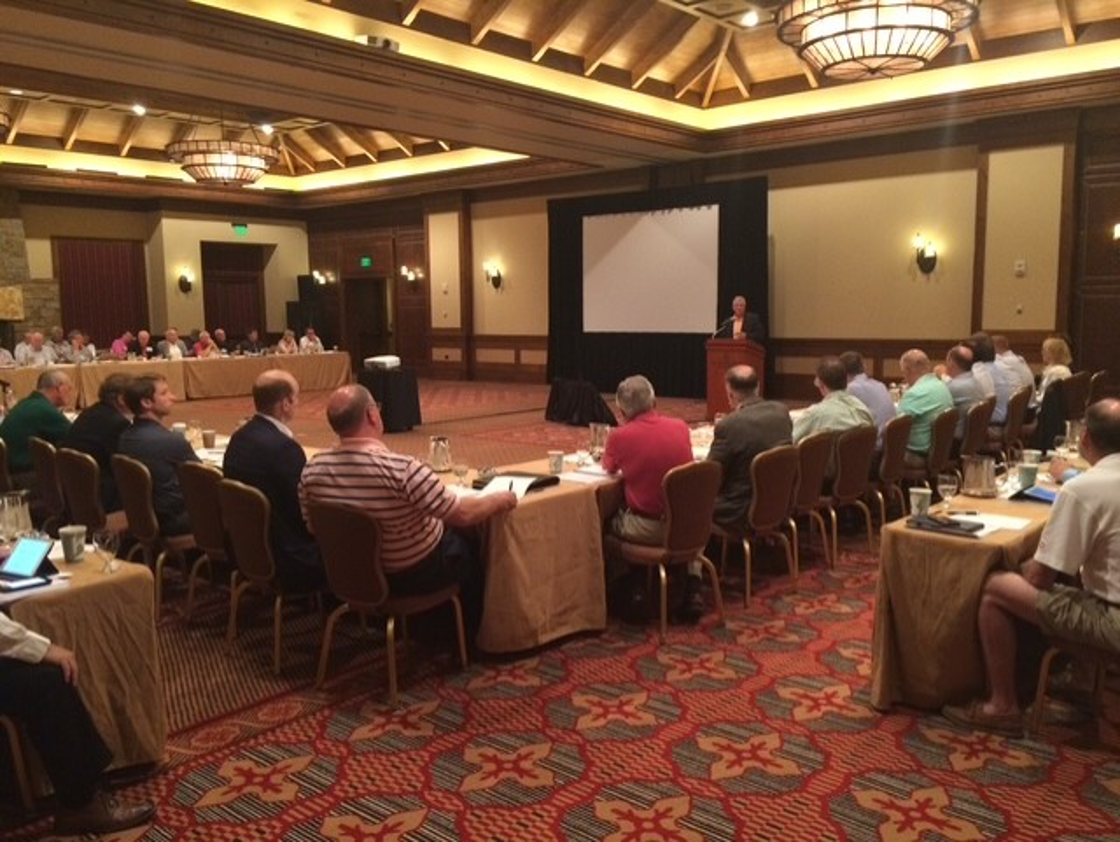
NCC’s 2015 Summer Board meeting was held in the same room. Then-NCC Chairman Todd Simmons was presiding
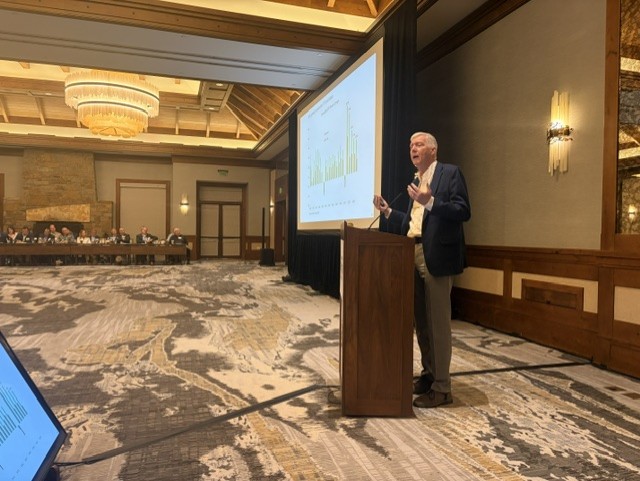
Dr. Michael Swanson, Chief Agriculture Economist at Wells Fargo, addresses the Board

The Grand Teton mountain range

View from the first tee of the Jackson Hole Golf and Tennis Club. Box lunches were sponsored by Zoetis and golf tournament prizes were sponsored by International Paper
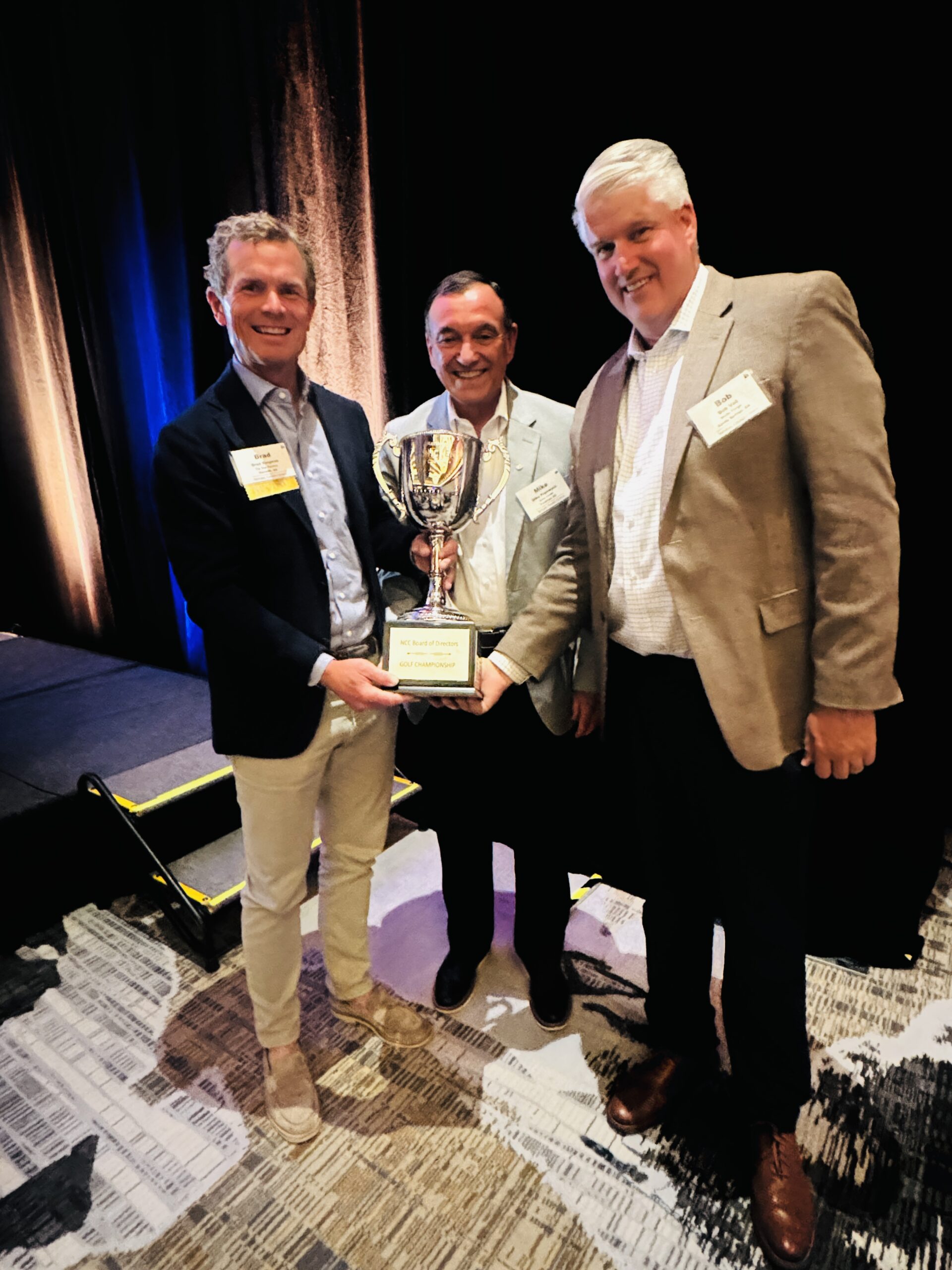
Golf tournament winners finishing at -7 (65). L-R: Brad Respess, Tip Top Poultry; Mike Popowycz, Case Foods; Bob Vail, Wells Fargo. The dinner where the awards were presented was sponsored by Rabobank
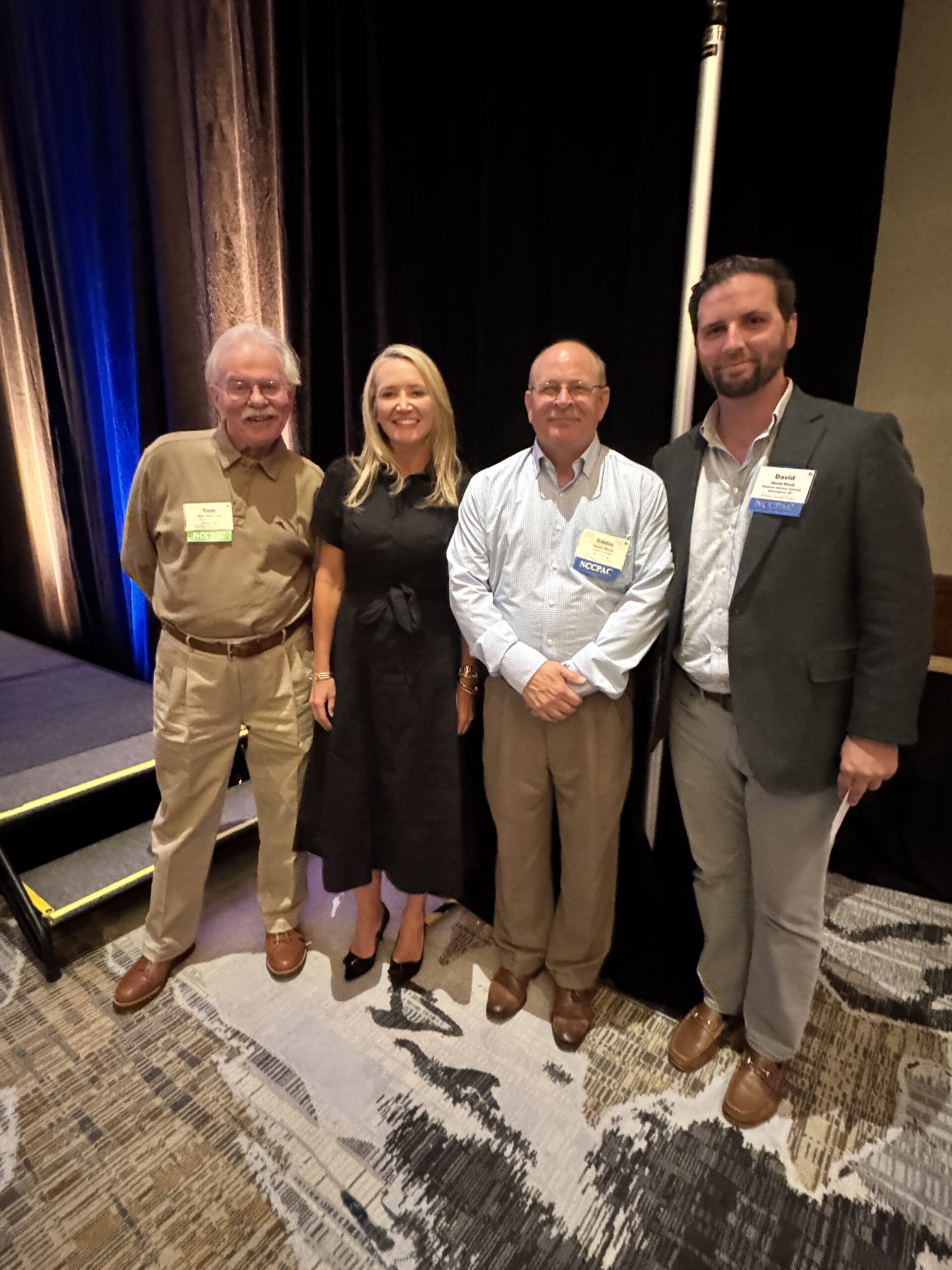
2nd place team finishing at -6 (66): Tom Hensley, Amanda Chosewood, Eddie Elrod, all with Fieldale Farms; and David Elrod, NCC

Longest drive winner Drake Gurley, Live Oak Bank
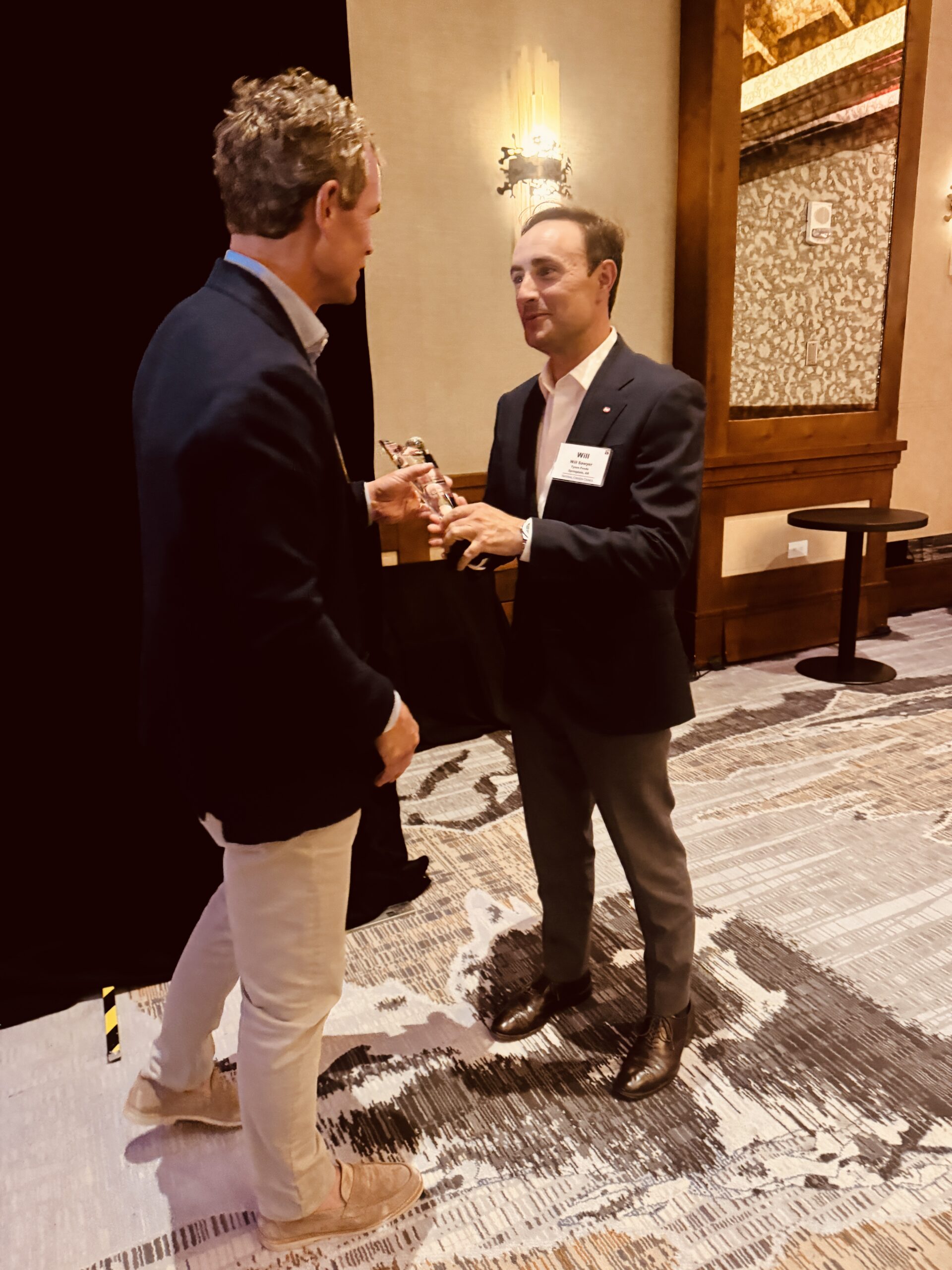
Golf Chairman Brad Respess (L) presenting the closest to the pin award to Will Sawyer, Cobb
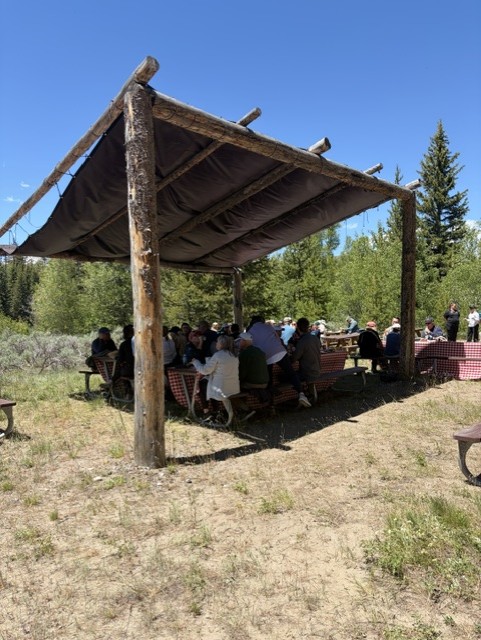
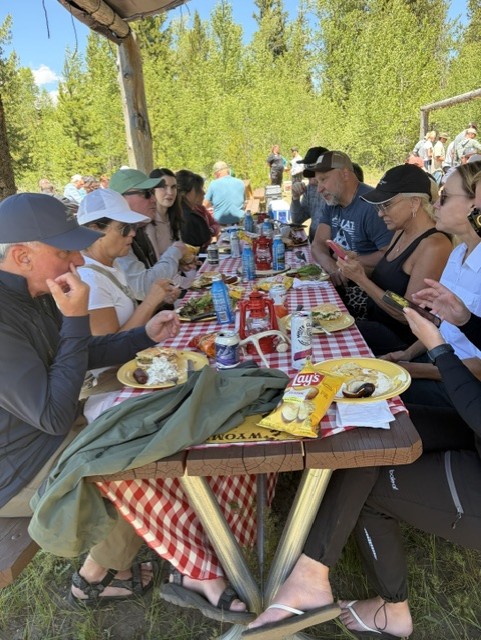
Attendees enjoy a picnic lunch before a float ride down the Snake River. Lunch and transportation was sponsored by Messer

A view of the Snake River from lunch

Thank you to ALL of our generous sponsors!


| 
| 
| 
|

| 
| 
| 
|

| 
| 
| 
|

| 
| 
| 
|

| 
| 
| 
|
WHAT HAPPENED: The House of Representatives on April 30 passed the Farm, Food, and National Security Act of 2026 (H.R. 7567) by a bipartisan vote of 224–200. Now, Senate Agriculture Committee Chairman John Boozman (R-Ark.) says he plans to release a “working draft” of his version of the bill next week, before the Senate leaves for recess, with a committee markup targeted for July. Boozman has indicated he is focused on producing legislation that can attract Democratic support — and that he will not include a controversial pesticide labeling provision that failed to survive the House floor and is unlikely to reach the 60-vote threshold needed to clear the Senate filibuster.
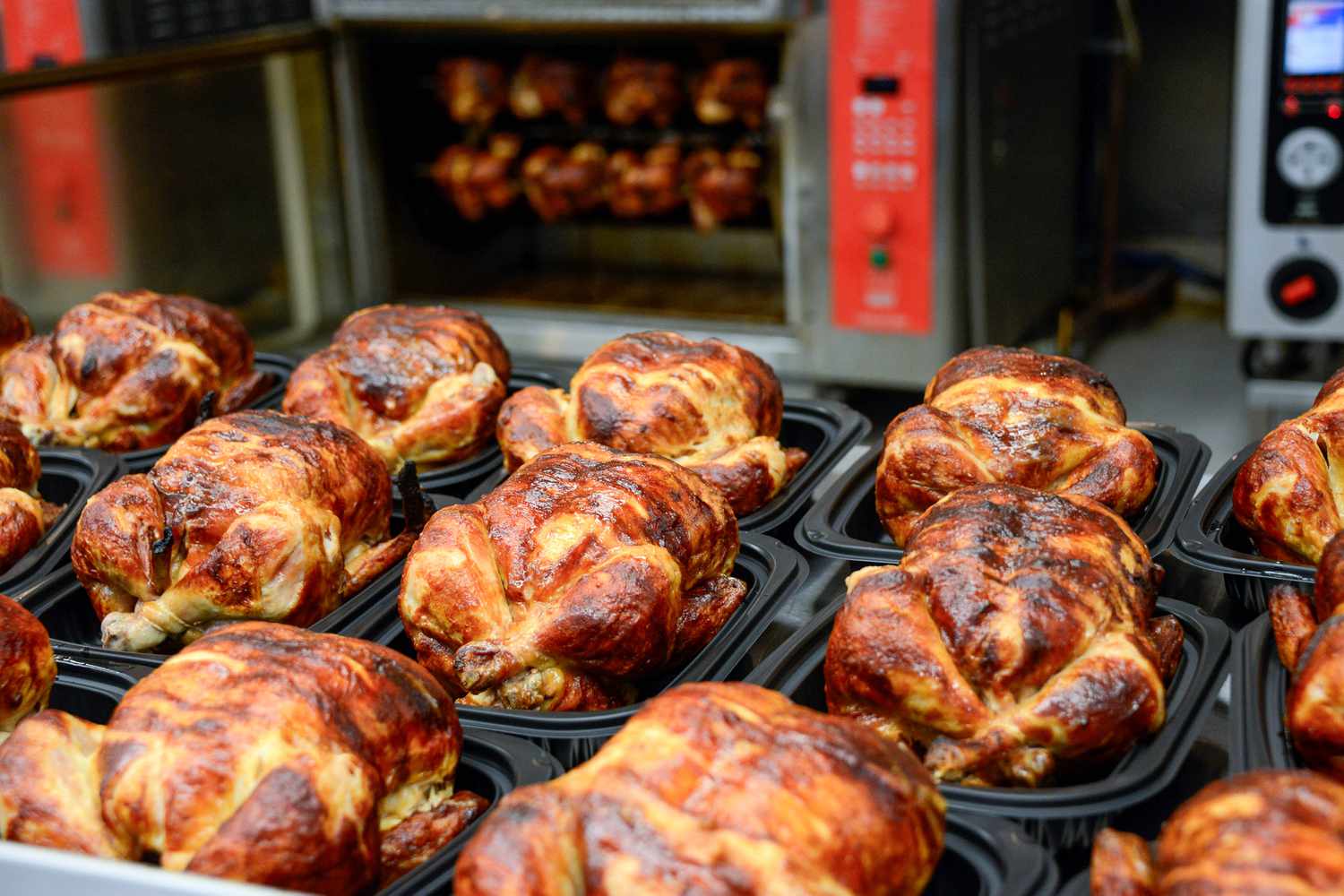
WHY IT MATTERS: The House-passed bill contains a provision — adopted by an overwhelming 384–35 bipartisan vote — that would allow SNAP recipients to purchase hot rotisserie chicken with their benefits. Current law prohibits SNAP from being used on hot, ready-to-eat foods.
WHAT’S NEXT: The current extension of the 2018 Farm Bill expires September 30, 2026, and with midterm election pressures expected to slow legislative activity in the fall, the farm bill is seen as a prime candidate for lame-duck action if a compromise can be negotiated. Democrats have been pushing for any bipartisan deal to roll back SNAP restrictions included in the One Big Beautiful Bill reconciliation package, which remains the chief sticking point. NCC will continue to monitor the Senate’s progress and advocate for the SNAP rotisserie chicken provision as the bill advances.