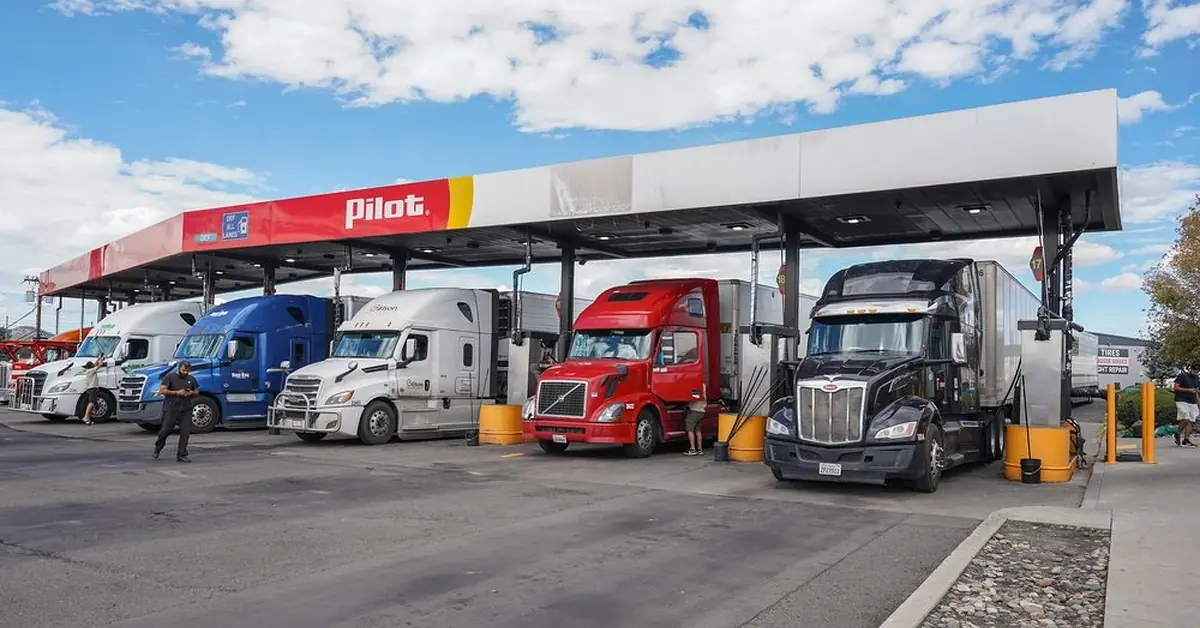
WHAT HAPPENED: President Trump signed an executive order Monday directing federal agencies to provide temporary tax and penalty relief tied to the use of dyed diesel in highway vehicles. The order directs Treasury to defer payment of the Federal excise tax imposed for on-road use of dyed diesel fuel for the remainder of the year without interest or penalties, and to explore pathways to eliminate the obligation to pay the deferred taxes. Relief applies during the period of October 5, 2026, through December 31, 2026. It also directs USDA to ensure farmers’ access to dyed diesel in high-demand areas, and to encourage corresponding action by states.
WHAT IS RED-DYE DIESEL? Red-dyed diesel is the same as regular diesel. It’s just untaxed and dyed red to distinguish it for off-road use only, such as for tractors or industrial purposes. It is exempt from the 24.4 cents-per-gallon federal highway excise tax that applies to on-road diesel. The fuel is dyed red because it allows state law enforcement to easily spot it if drivers are using it on roads and highways in an effort to skirt taxes.
WHY IT MATTERS: The order defers the federal tax rather than eliminating it, and relief depends on Treasury. It directs Treasury to determine whether relief is available under Section 7508A of the Internal Revenue Code and, if so, defer payment of covered diesel taxes. For chicken companies, the benefit is uncertain until that guidance is issued. Fuel suppliers are legally responsible for collecting federal and state fuel taxes, so bulk suppliers delivering to company fuel tanks are unlikely to sell untaxed dyed diesel for on-road use until Treasury relieves them of that obligation. Fleets that fuel at retail stations may see relief sooner than integrators that fuel feed and live-haul trucks on-site.
THE STATES: State taxes are a separate question and state tax relief would require corresponding action. Some states have paused enforcement of on-road restrictions without waiving their own fuel taxes, and drivers crossing multiple states face fines in states that have not suspended their own dyed diesel restrictions.
WHAT’S NEXT: Treasury’s forthcoming guidance shall identify the specific relief being granted and any conditions on such relief, including covered parties and when deferred taxes must be paid. NCC will continue to monitor and update members.
Source: AutoGuide
WHAT HAPPENED: FSIS on October 2 posted its Annual Sampling Program Plan for Fiscal Year 2027. The plan lists every current FSIS sampling program and the microbiological and chemical residue data the agency expects to collect over the year to guide its planning. While the plan is largely unchanged from FY 2026, there are three notable changes.
WHAT’S NEW: The most significant for the chicken industry is a new paired environmental sampling program for Listeria monocytogenes (Lm) and non-Lm Listeria species in ready-to-eat (RTE) establishments. It builds on a pilot FSIS, which was initiated earlier this year with a nationwide rollout starting in January 2027. Under the program, FSIS will collect two additional food contact surface samples and two additional non-food contact surface samples alongside the RTE post-lethality exposed product samples. The agency says the goal is to generate data verifying that establishments are effectively controlling Lm and maintaining sanitation.
The plan also makes two changes outside poultry:
- Raw pork: FSIS will increase raw pork sampling to inform future policy and will test a broader range of pork products at higher risk for Salmonella.
- Bob veal: FSIS will collect fewer bob veal samples under the National Residue Program to reflect lower slaughter volumes in recent years and avoid unnecessary burden on smaller establishments.
WHY IT MATTERS: The Listeria program applies to RTE operations, such as plants producing fully cooked chicken products. For members with RTE production, FSIS will take additional swabs from food contact and non-food contact surfaces as a routine verification activity, in addition to its existing product sampling. Moving from a pilot to an ongoing program means those results will build a national dataset on Listeria control and sanitation in RTE facilities. FSIS could use that data to shape future verification and policy decisions.
WHAT’S NEXT: The expanded Listeria sampling is expected to begin in January 2027. FSIS reviews its sampling data throughout the year and may adjust the plan as the fiscal year goes on. More information is available on FSIS’ sampling programs page.
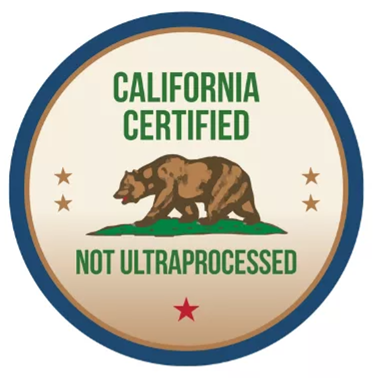
WHAT HAPPENED: Governor Gavin Newsom last week signed AB 2244 into law, creating a state “Non-Ultraprocessed Certified” label for foods that meet California’s standard for non-ultraprocessed foods (UPFs). The bill passed both chambers of the Legislature unanimously last month. It was authored by Assemblymember Jesse Gabriel (D-Encino) and co-sponsored by the Environmental Working Group.
HOW IT WOULD WORK: The seal is voluntary for manufacturers and modeled on the USDA Organic label. The California Department of Public Health (CDPH) will oversee the program, and food manufacturers will apply to accredited certification agents to use the seal.
WHAT QUALIFIES: Products containing chemical additives, synthetic dyes, flavor enhancers or nonnutritive sweeteners do not qualify for the seal. Products classified as “ultraprocessed food of concern” or “restricted school food” are also ineligible. Large grocery chains with more than $10 million in annual sales that carry at least 25 certified product types must make those items stand out through signage or physical separation.
WHY IT MATTERS: AB 2244 is the first state-backed certification program of its kind, and it takes effect while federal regulators are still working on their own definition. HHS and USDA recently sent the federal government’s first proposed UPF definition to the Office of Management and Budget for review but have not released specific ingredient thresholds or processing standards. Meaning individual states are creating UPF certification programs while the federal government is still defining the term. Food manufacturers selling nationwide may have to meet different requirements state by state.
NCC TAKE: NCC opposes any government effort to define or classify foods as “ultraprocessed,” at the state or federal level. As outlined in NCC’s October 2025 comments to FDA and USDA, processing-based classification is scientifically flawed and misleading to consumers. It groups nutritionally dissimilar foods based on how they are made rather than what they contain, ignores nutrient density and protein quality, and is applied inconsistently. A state-backed seal that signals some foods as “healthier” based on processing risks stigmatizes affordable, nutrient-dense foods that millions of families, schools and nutrition assistance programs rely on.
WHAT’S NEXT: CDPH must accredit certification agents by June 1, 2029, before any products can carry the seal. At the federal level, the HHS-USDA proposed UPF definition remains under OMB review. NCC will continue to engage as both the federal definition and state-level efforts move forward.
NCC features in a short spotlight column the official representative from each of our Allied Leader and Allied Member companies. This week’s Allied Member Spotlight is Billy Hughes, Intervention Program Manager, at Hydrite.
We asked Billy three questions:
In 2-3 sentences, describe what good or service your company provides to the broiler industry.
Hydrite’s Food Group offers a wide variety of chemistries for cleaning and sanitation, intervention, and anti-microbial solutions, along with ingredients and water care solutions combined with industry experienced account managers and technical support staff for our customers.
Can you briefly describe your position and responsibilities within the company?
As the Intervention Program Manager, it is my job to identify, understand, and provide solutions both chemically and through the art of application the challenges and/or opportunities we encounter in microbial control.
What is your favorite chicken dish?
It’s hard to beat a whole bird on the smoker with a jalapeno and honey rub spritzed with peach juice.

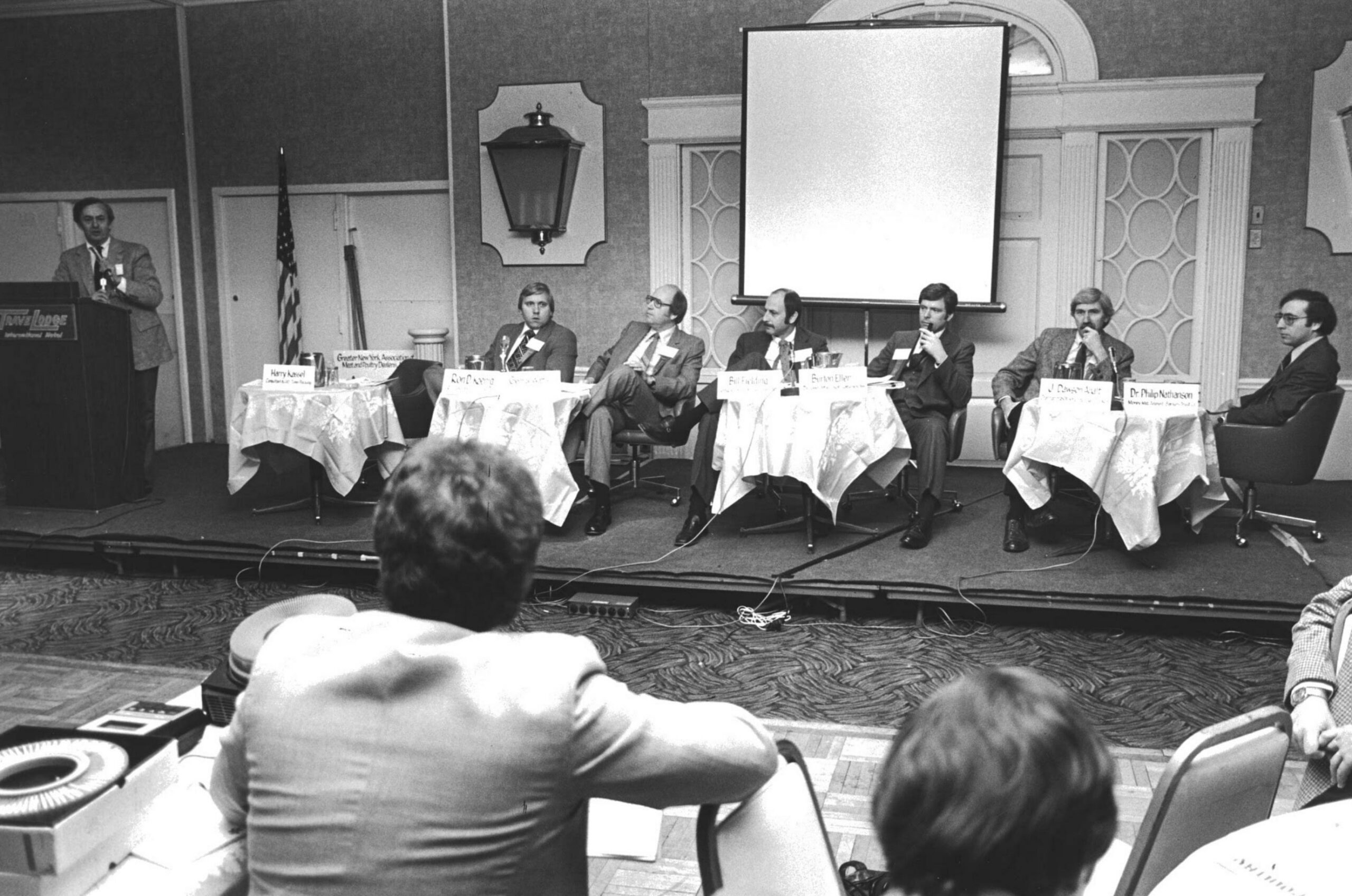
A panel discussion during a meeting of the Greater New York Association of Meat & Poultry Dealers, sometime in the mid-late 80’s at the now defunct Ramada Plaza/Travelodge Hotel at JFK Airport in New York City. From L-R: Harry Kassel, Consultant, at the podium; Ron Koenig, affiliation unknown; George Watts, NCC President; Bill Fielding, President of Excel (Cargill); Burt Eller, National Cattlemen’s Association; J. Dawson Ahalt, USDA Ag Economist; Philip Nathanson, Market Analyst, Bankers Trust Co.