WHAT HAPPENED: The Senate on Wednesday night confirmed Keith Sonderling as Secretary of Labor, in its last vote before leaving Washington until after the midterm elections. The 47-41 vote was along party lines, with all Republicans present voting yes and all Democrats voting no.
ABOUT KEITH SONDERLING: Sonderling has led the department since April, when former Secretary Lori Chavez-DeRemer resigned. The Senate confirmed him as her deputy in March 2025. He worked at the Labor Department throughout President Trump’s first term and served on the Equal Employment Opportunity Commission until 2024. He previously practiced labor and employment law at a Florida firm.
WHY IT MATTERS: The Labor Department controls several issues that affect the poultry workforce, including guest worker programs, wage rules and workplace safety enforcement. Sonderling’s confirmation keeps the department’s current leadership in place. The department is pursuing business-friendly regulations while also stepping up enforcement of foreign worker program rules.
WHAT’S NEXT: Sonderling immediately assumes the cabinet position. The Senate returns for legislative business on November 9.
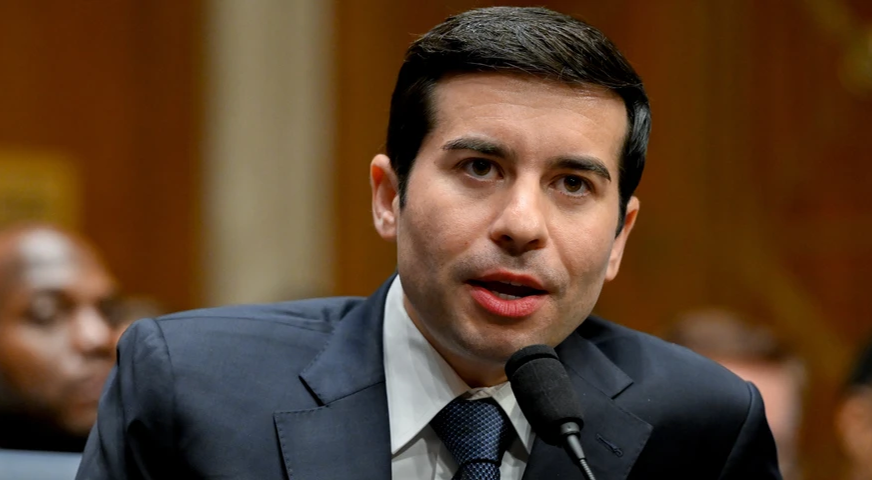
Sonderling at his confirmation hearing, July 30, 2026. The Senate HELP Committee advanced his nomination in a 12–11 party-line vote at the time.
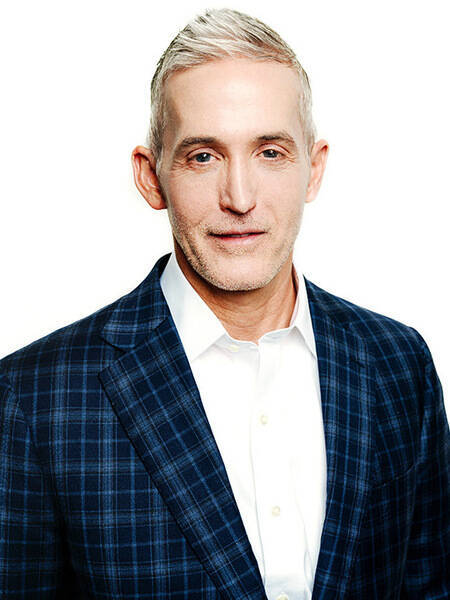 WHAT HAPPENED: NCC announced that Trey Gowdy, former Congressman, federal prosecutor, and current Fox News host, will speak on October 29 at the National Chicken Council’s 71st Annual Conference in Washington, D.C.
ABOUT TREY GOWDY: Gowdy currently serves as a host on Fox News, anchoring the weekend primetime program Sunday Night in America with Trey Gowdy. He grew up in Spartanburg, South Carolina. After law school he clerked for a judge on the South Carolina Court of Appeals and then for a U.S. District Court trial judge.
From 1994-2000, as a federal prosecutor, Gowdy prosecuted the full range of federal crimes including narcotics trafficking, bank robbery, car jacking, kidnapping, child pornography cases, and the murder of a federal witness. In 2000, he left the U.S. Attorney’s office to run for 7th Circuit Solicitor (District Attorney) in Spartanburg and Cherokee Counties.
In 2010, he ran for congress to represent the 4th Congressional District (Greenville and Spartanburg Counties). While in congress he served on the Judiciary Committee, Oversight and Government Reform Committee, Intelligence Committee, Education and the Workforce Committee and Ethics Committee. After four terms in congress, he announced he would not seek re-election in 2018 and would leave public service for good.
In January of 2019, he returned to his beloved South Carolina to practice law, teach classes with his close friend Senator Tim Scott, and speak on legal issues he considers important to our country.
Special thanks to BMO for sponsoring Gowdy’s presentation.
HOW TO REGISTER: Join NCC October 28–29, 2026, in Washington, D.C., to gain insights into the legislative, regulatory, political, business, and economic issues shaping the chicken industry’s future — and connect with industry leaders driving that future forward. The conference is open to NCC members, state association representatives, press, government officials, academia, and other interested parties. For more information, questions, sponsorship opportunities, or to register, please contact Polina Burko at [email protected].
THANKING OUR ANNUAL CONFERENCE SPONSORS:

| 
| 
| 
|

| 
| 
| 
|

| 
| 
| 
|

| 
|
WHAT HAPPENED: President Trump has nominated Greg Ibach to be USDA Under Secretary for Trade and Foreign Agricultural Affairs (TFAA). Ibach would succeed Luke Lindberg, who has been named Executive Director of the United Nations World Food Programme (WFP).
WHAT THEY’RE SAYING: “Luke Lindberg has been a tremendous friend and partner in our mission to deliver for America’s farmers and ranchers,” said USDA Secretary Brooke Rollins. “With his help, the Trump Administration had cut the agricultural trade deficit by 51%, helped deliver $177 billion in U.S. agricultural exports, expanded markets through 20 new trade agreements and frameworks, and secured billions of dollars in new agricultural purchase commitments around the world.” She added, “Greg is a lifelong producer and proven leader who knows American agriculture from the farm gate to the global marketplace.”
ABOUT LINDBERG: UN Secretary-General António Guterres and FAO Director-General Qu Dongyu announced Lindberg’s appointment on September 18. He succeeds Cindy McCain, and WFP’s Executive Board concurred with the choice. McCain led WFP from April 2023 through May 2026 and stepped down for health reasons. WFP executive directors serve fixed five-year terms. Lindberg had held the USDA trade post for just over a year, and President Trump nominated him for the WFP job. An American has led WFP, the world’s largest food aid distributor, since 1992. Before USDA, Lindberg led the South Dakota Trade Association, held senior roles at Sanford Health, and served as chief of staff and chief strategy officer at the Export-Import Bank of the United States.
ABOUT IBACH: Ibach is a fifth-generation farmer and rancher from Sumner, Nebraska. He was Nebraska’s longest-serving agriculture director, from 2005 to 2017. During President Trump’s first term, he served as USDA Under Secretary for Marketing and Regulatory Programs.
WHY IT MATTERS: The TFAA under secretary oversees USDA’s Foreign Agricultural Service and food aid programs, including McGovern-Dole Food for Education and Food for Progress. The Foreign Agricultural Service leads USDA’s work on export market access, trade promotion and foreign trade barriers. For U.S. poultry, those issues include disease-related trade restrictions and reopening foreign markets.
WHAT’S NEXT: Ibach’s nomination now goes to the Senate Agriculture Committee for a confirmation hearing. The Senate does not return for legislative business until November 9. Lindberg will take over at WFP’s Rome headquarters. Until he arrives, Deputy Executive Director Carl Skau will remain acting head.
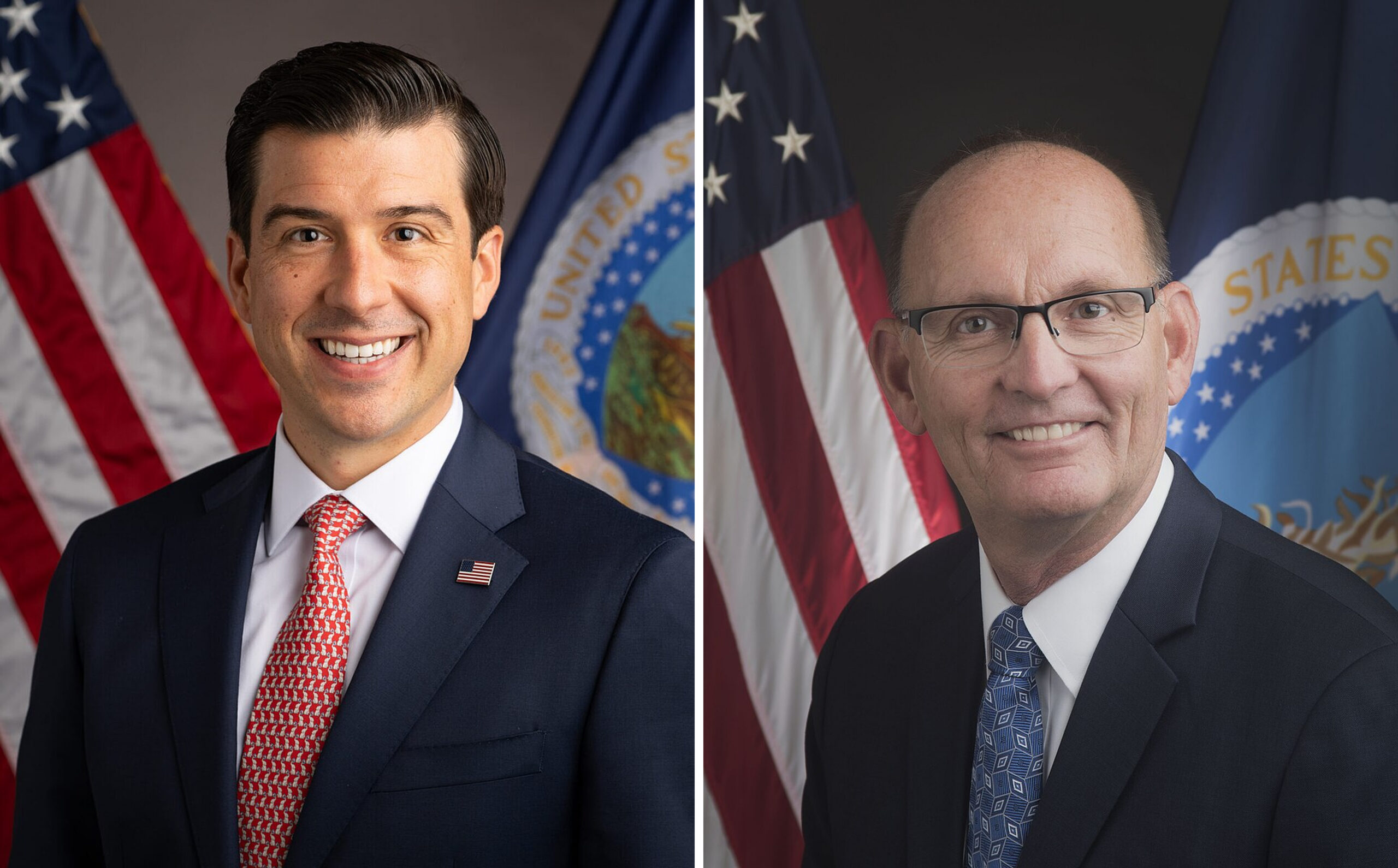
Lindberg (L) and Ibach
WHAT HAPPENED: Dr. Heidi Overton appeared before the Senate Health, Education, Labor, and Pensions (HELP) Committee yesterday for her confirmation hearing as the next commissioner of the Food and Drug Administration (FDA). If confirmed, Overton, at 37, will be the youngest FDA commissioner ever. Questioning focused mainly on vaccines and the abortion drug mifepristone. HELP Chairman Bill Cassidy (R-La.) opened the hearing by asking Overton whether the measles, mumps, rubella (MMR) vaccine is lethal; Overton replied it is not and reiterated that the vaccine is safe and effective against measles. Asked whether any vaccines currently on the market are unsafe, Overton responded that “every vaccine on the U.S. market right now is safe and effective, according to the FDA.”
ABOUT DR. OVERTON: A native of New Mexico and a preventive medicine physician who worked in both Trump administrations, she currently serves as a White House domestic policy adviser and worked on several White House health initiatives, including the revamped food pyramid.
WHY IT MATTERS: The FDA has been without a permanent leader for months. Former Commissioner Marty Makary resigned following public clashes with lawmakers, major pharmaceutical companies and the president, and Kyle Diamantas has served as acting commissioner since May 2026. While the hearing centered on human health issues, the FDA commissioner oversees policy with direct implications for animal agriculture. FDA’s Center for Veterinary Medicine regulates animal drugs, including antimicrobials used in poultry production and the Veterinary Feed Directive, along with animal feed safety and approval of new animal health products. The agency also regulates food additives, food labeling, and food facility inspections outside of USDA-FSIS jurisdiction. Makary also left behind unfinished projects on ultra-processed foods, an issue the incoming commissioner will inherit.
WHAT’S NEXT: Overton must win approval from the HELP Committee for her nomination to advance to a full Senate vote. A committee vote has not yet been scheduled.
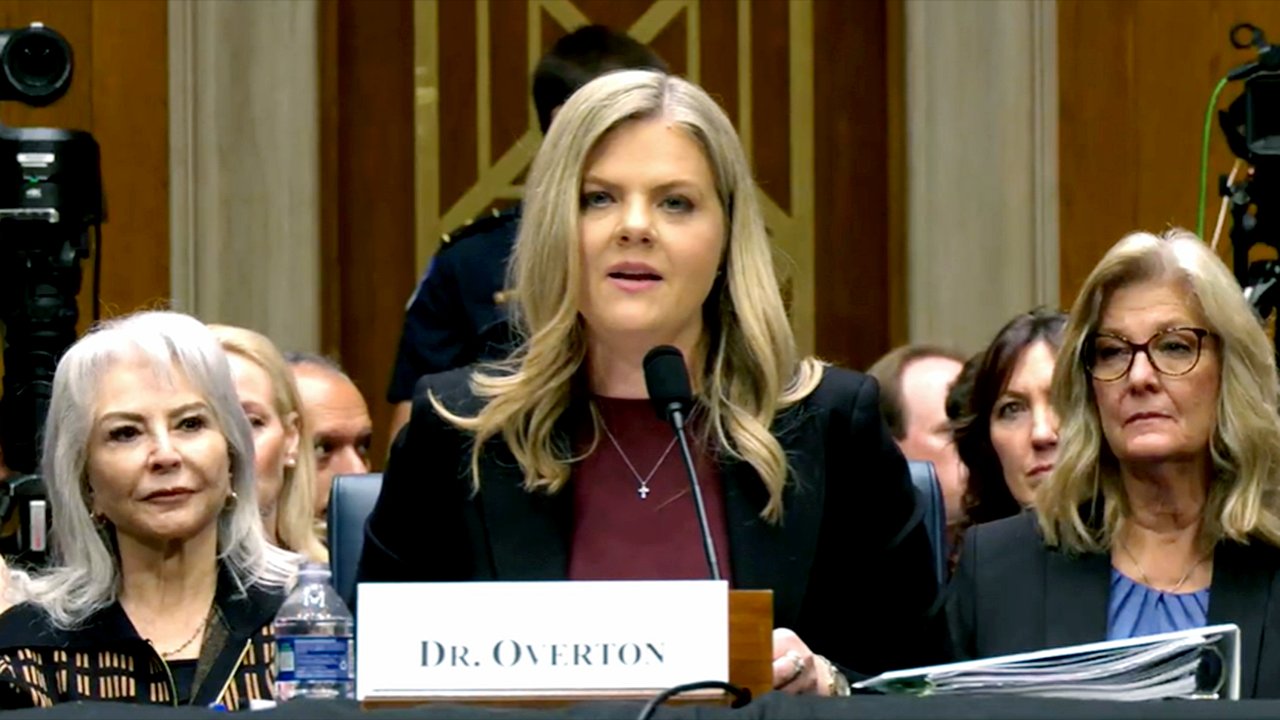
Senate panel considers President Trumps’s nomination of Dr. Heidi Overton. Source: Fox Business
WHAT HAPPENED: With the House already gone, the Senate is the only chamber still in Washington. Speaker Mike Johnson sent House lawmakers home on September 16, canceling votes scheduled for the following day, so members could campaign. The Senate is scheduled to remain in session until October 2, as of now, and both chambers will return from the midterm recess on November 9. In its final days before the break, senators are expected to work on judicial nominations and other legislative issues but are not expected to release the chamber’s long-delayed fiscal year 2027 spending bills. With the government already funded through December 11, there is no must-pass deadline forcing action before the Senate leaves.
WHY IT MATTERS: Several items of interest to agriculture are unlikely to reach the Senate floor before October 2, if at all. Senate Agriculture Chairman John Boozman anticipates a floor vote on the farm bill after the midterm elections in November, and the bill will need enough bipartisan support to clear the 60-vote threshold. Meanwhile, the current farm bill extension expires September 30, and it remains unclear whether the Senate will act on another extension before leaving town.
WHAT’S NEXT: The post-election calendar is short. The Senate is set to return for two days the week after the election, before the Nov. 11 observation of Veterans Day. After that, the chamber returns a total of seven days prior to Thanksgiving and works three weeks in December ahead of the Christmas recess, with a target adjournment of Dec. 18. That leaves roughly four weeks of floor time to address government funding ahead of the December 11 deadline, the farm bill, defense authorization, pending nominations and any reconciliation package before the 119th Congress ends.