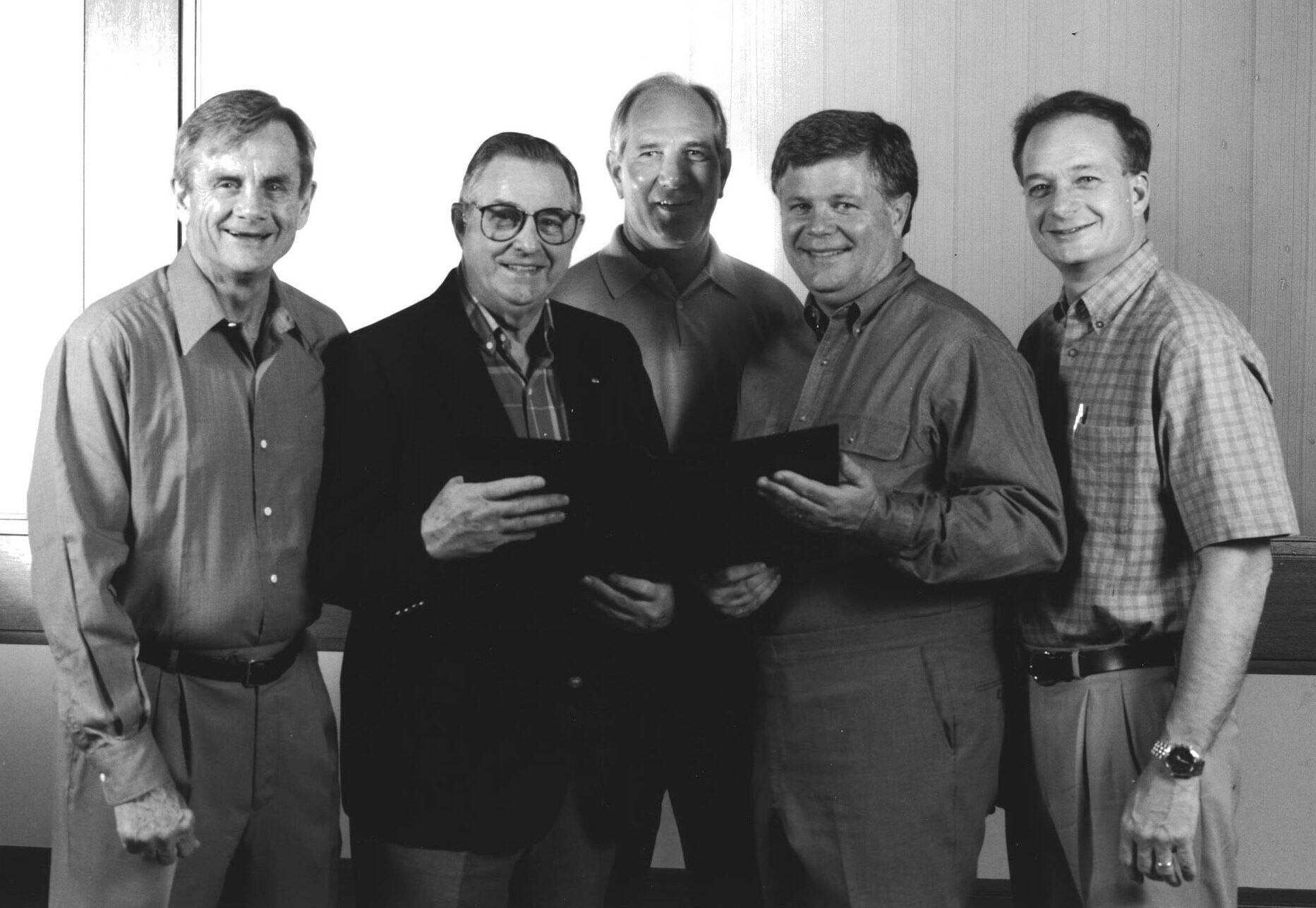
1996, location unknown. L-R: John Rogers, NCC Vice Chairman, B.C. Rogers Company; Unknown; Mark Simmons, Simmons Foods, NCC Chairman; Unknown; Jim Perdue, Perdue Farms, NCC Secretary-Treasurer. If you can name the two unidentified individuals, e-mail Tom Super for recognition in next week’s newsletter: [email protected]
WHAT HAPPENED: The Senate Agriculture Committee on Wednesday passed its version of the Farm Bill, the Agricultural Act of 2026, by a vote of 12-11, along partisan lines. The big sticking point is the Democrats’ push for at least a two-year delay for states faced with paying a portion of benefit costs under SNAP, depending on their payment error rates. Sen. Mitch McConnell (R-Ky.) who returned to the Senate this week after an absence since June due to a fall, was present to vote for the bill, giving Republicans a majority present to vote for it.
QUICK RECAP: The committee tried to move the measure in August, but Republican absences hindered GOP efforts. Both Sens. Mitch McConnell and Tommy Tuberville (R-Ala.) were not present at the time.
NCC’s TAKE: “I want to thank Chairman Boozman for his leadership in advancing this important piece of legislation, and Senator Justice for his successful amendment that would add hot rotisserie chicken to the SNAP program,” said NCC President Harrison Kircher. “We are also especially appreciative that no provisions were included that would have negatively impacted the way chicken is contracted or marketed. “There are also several provisions in the bill that would positively impact chicken producers, including poultry health and disease monitoring programs, support for broiler exports, and natural disaster assistance,” Kircher added.
WHAT’s NEXT: The bill moves to the full Senate, where it will need 60 votes to pass. Assuming Senate passage, House and Senate negotiators would then convene a conference committee to reconcile differences with the House-passed Farm, Food, and National Security Act of 2026 before a final compromise bill returns to both chambers for a vote and heads to the President’s desk.
WHAT THEY’RE SAYING: “We’ll get together with the House and the Senate and discuss and figure out a path,” Senate Ag Committee Chaiman John Boozman (R-Ark.) told Bloomberg. “We don’t have time to put it on the floor right now, so we’ll be conferencing until after the election.”
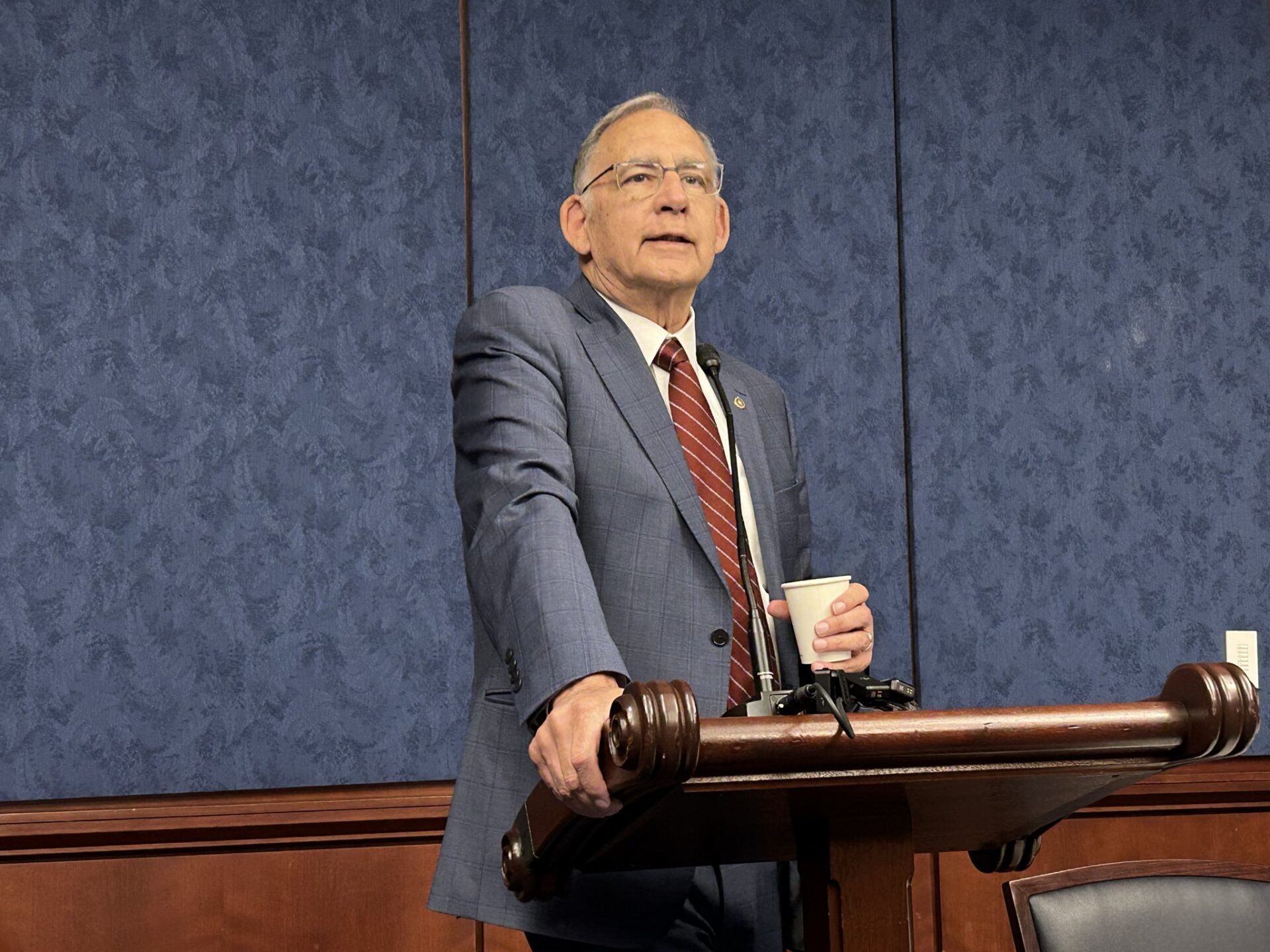
Senate Ag Committee Chairman John Boozman (Photo by Brent Barnett/Brownfield)
WHAT HAPPENED: Speaker Mike Johnson announced Wednesday that he is sending House members home early for their seven-week campaign recess ahead of the midterm elections. House Republicans had planned to stay in session until Thursday but instead took their final votes Wednesday evening — including a Russia sanctions bill — before leaving town. GOP leadership had already shortened the chamber’s September schedule by two weeks earlier in the month.
WHY IT MATTERS: With control of the House up for grabs in November, the early exit gives members extra time on the ground in a large number of competitive races. The map includes dozens of competitive seats, and the extended window lets both parties’ incumbents and challengers put more time into door-knocking, fundraisers, and local media in the final stretch before Election Day. The early adjournment also means any unfinished legislative business will sit until lawmakers return, giving members more to campaign on, or against, once they’re back in their districts.
WHAT’S NEXT: The House is expected to return around Nov. 9, 2026, the week following the Nov. 3 midterm elections. The Senate, by contrast, is scheduled to remain in session for the next two weeks before beginning its own recess. Per the Senate’s 2026 calendar, the chamber will then be out for the month of October and the first week of November ahead of the midterms, returning for a total of seven working days before Thanksgiving, followed by three weeks in December ahead of the Christmas recess.

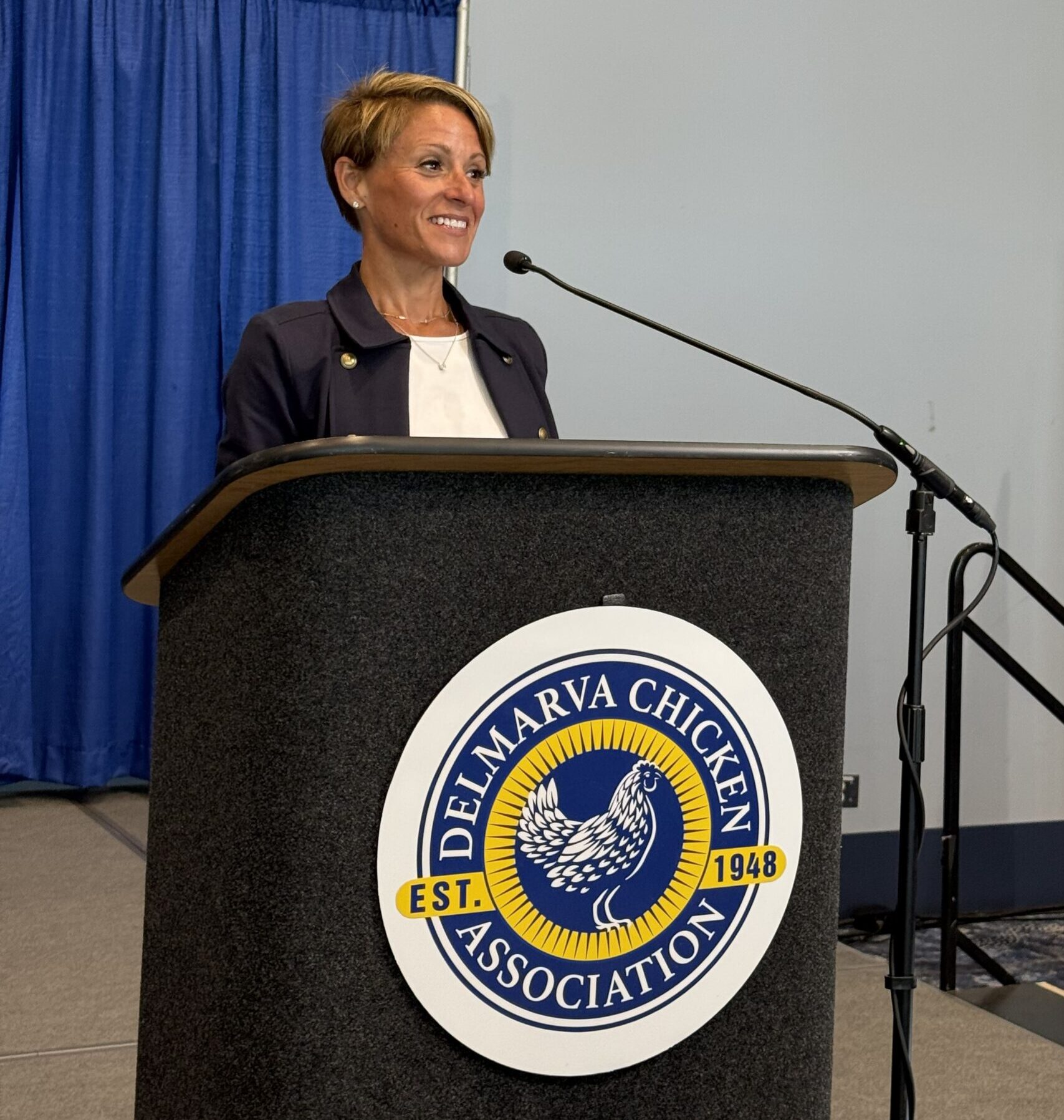
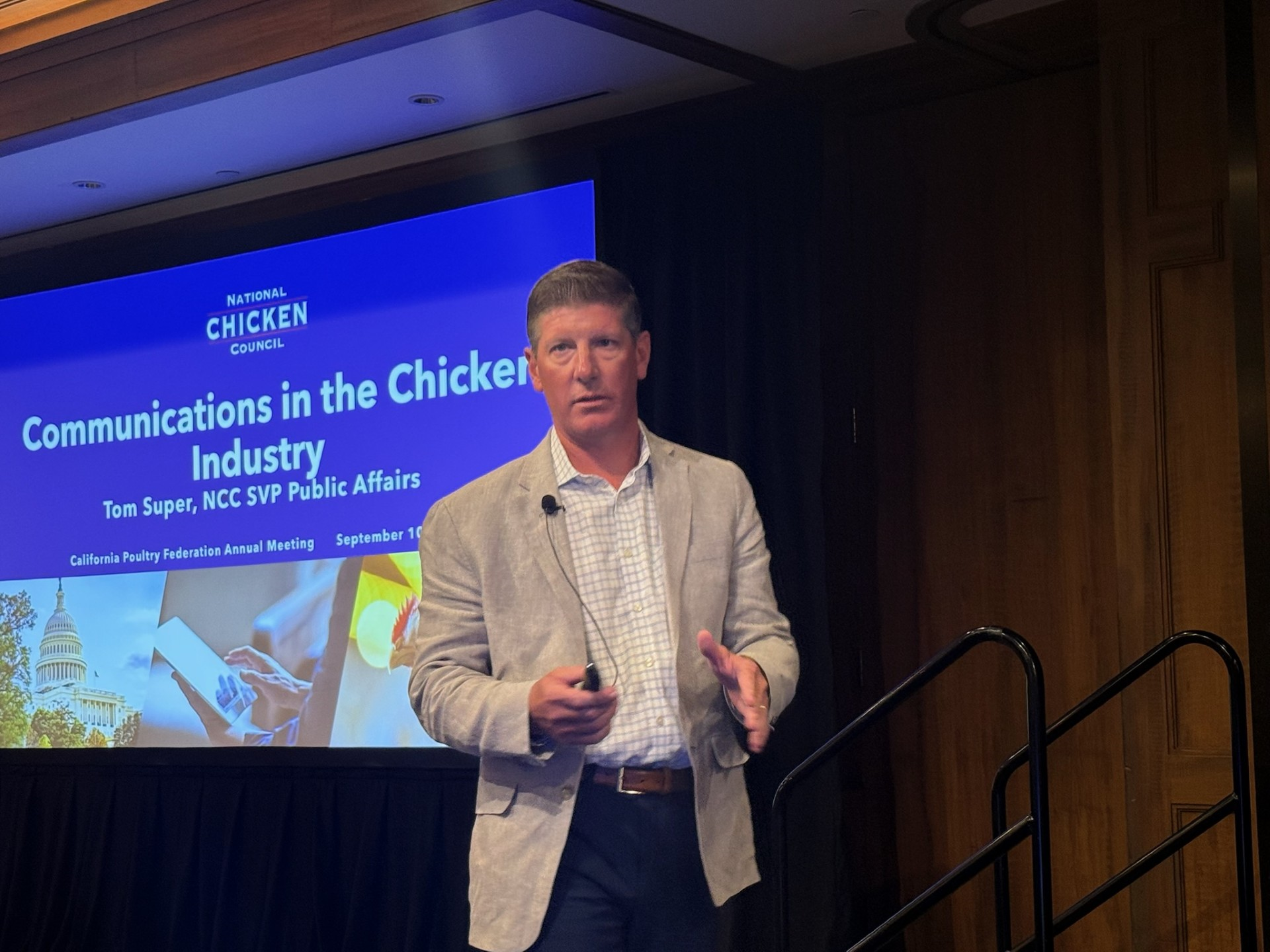
NCC staff in the past week traveled to two state poultry association events to give presentations. Ashley Peterson was on hand in Ocean City, Maryland to address the Delmarva Chicken Association’s 61st National Meeting on Poultry Health, Processing and Live Production. Meanwhile, Tom Super presented at the California Poultry Federation’s 2026 Annual Conference & Meeting in Monterey, California.
NCC features in a short spotlight column the official representative from each of our Allied Leader and Allied Member companies. This week’s Allied Member Spotlight is Emily Buehler, Associate Vice President – Poultry, at Farm Credit Mid-America.
We asked Emily three questions:
In 2-3 sentences, describe what good or service your company provides to the broiler industry.
Farm Credit Mid-America is a member-owned financial cooperative dedicated to supporting agriculture and rural communities. We provide financing and other financial services that help farmers and agribusinesses invest in their operations, manage risk, and position their businesses for long-term success. We’re proud to partner with America’s poultry farmers and the businesses that support them, helping strengthen an industry that plays a vital role in feeding families across the country and around the world.
Can you briefly describe your position and responsibilities within the company?
As Associate Vice President – Poultry, I work with poultry producers and agribusinesses every day to help them navigate opportunities, challenges, and plans for growth. Whether it’s financing a new project, expanding an operation, or planning for the next generation, I enjoy helping customers find solutions that fit their goals. One of the most rewarding parts of my role is getting to know the people behind these businesses and seeing the positive impact they have on their communities and on consumers across the country.
What is your favorite chicken dish?
Smoked bone-in chicken wings. There’s nothing better than spending a fall Saturday watching Ohio State football with family and friends while enjoying a plate fresh off the smoker.