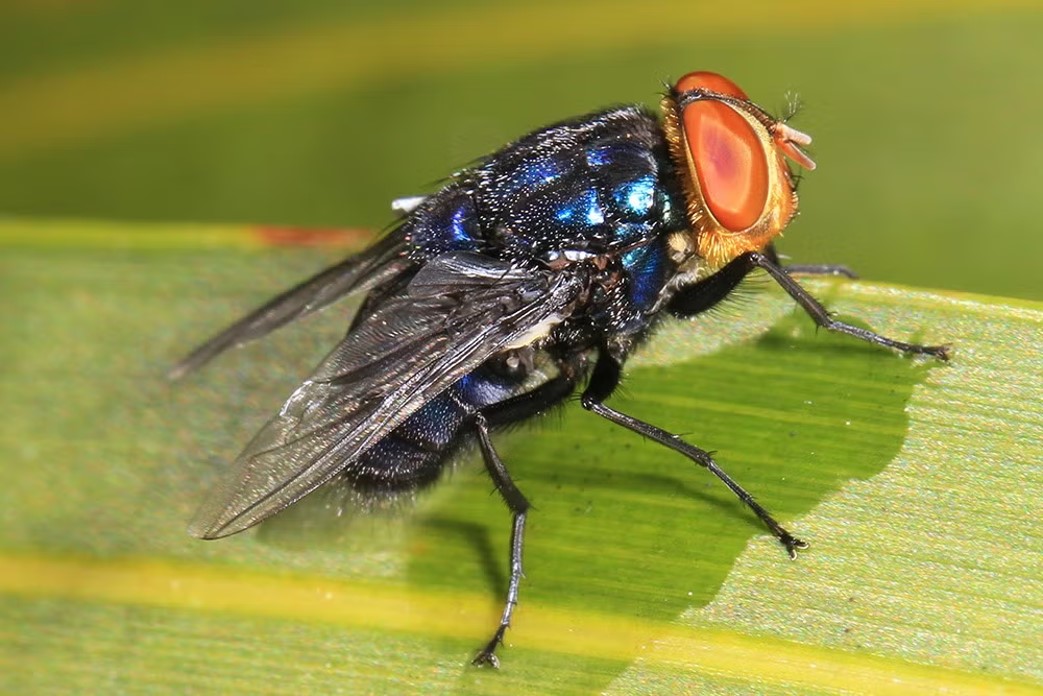
WHAT HAPPENED: New World Screwworm (NWS) — a parasitic fly whose larvae burrow into the living flesh of warm-blooded animals — has returned to the United States for the first time in nearly 60 years, and the situation has escalated rapidly over the past two weeks. USDA confirmed the first domestic case on June 3 in a calf in Zavala County, Texas. Since then, the total number of confirmed cases has grown to roughly a dozen, spanning multiple Texas counties as well as Lea County, New Mexico. On June 11, CDC activated a Level 3 emergency response to support USDA’s ongoing containment efforts. USDA is currently dispersing 100 million sterile insects per week along the U.S.-Mexico border as its primary suppression tool, and has established a dedicated NWS Directorate within APHIS to coordinate the federal response.
WHY IT MATTERS: While NWS primarily affects cattle, sheep, goats, pets, and wildlife — not chickens — it is a significant issue for NCC members, especially for those in infected zones relating to flock movement requirements — should additional detections occur. NWS can infest birds in rare cases, and the rapid geographic spread of confirmed cases underscores how quickly an animal disease can move once it enters the country.
STATES BEGIN RESPONDING: As the outbreak expands, states outside the immediate detection zone are beginning to act. The Arkansas Department of Agriculture announced this week that all warm-blooded animals — including household pets — entering the state from any state with confirmed NWS detections must be accompanied by an Interstate Certificate of Veterinary Inspection (iCVI) dated within seven days of entry, and that the certificate must include a statement confirming the animals were inspected and found free of any signs of infestation.
IS NWS A FOOD SAFETY ISSUE? USDA has emphasized that the U.S. food supply is safe — NWS larvae do not infest meat or poultry products, and any affected animal would be identified and removed during FSIS inspection. Dr. Mindy Brashears issued a recorded statement on the safety of the U.S. food supply in the wake of the recent detections of NWS in Texas and New Mexico.
WHAT’S NEXT: Veterinary experts have warned that ramping up sterile fly production to meet the scale of the outbreak could take 18 months to two years, meaning this is likely a prolonged fight rather than a quick containment. The Trump administration has appointed a Senior Advisor for NWS Preparedness and is moving to construct a domestic sterile fly production facility. NCC will continue to monitor the situation, coordinate with APHIS, and make members aware of developments. For information on the most recent NWS detections, please refer to the APHIS dashboard which is updated by 6pm EST each day.