WHAT HAPPENED: The House of Representatives on April 30 passed the Farm, Food, and National Security Act of 2026 (H.R. 7567) by a bipartisan vote of 224–200. Now, Senate Agriculture Committee Chairman John Boozman (R-Ark.) says he plans to release a “working draft” of his version of the bill next week, before the Senate leaves for recess, with a committee markup targeted for July. Boozman has indicated he is focused on producing legislation that can attract Democratic support — and that he will not include a controversial pesticide labeling provision that failed to survive the House floor and is unlikely to reach the 60-vote threshold needed to clear the Senate filibuster.
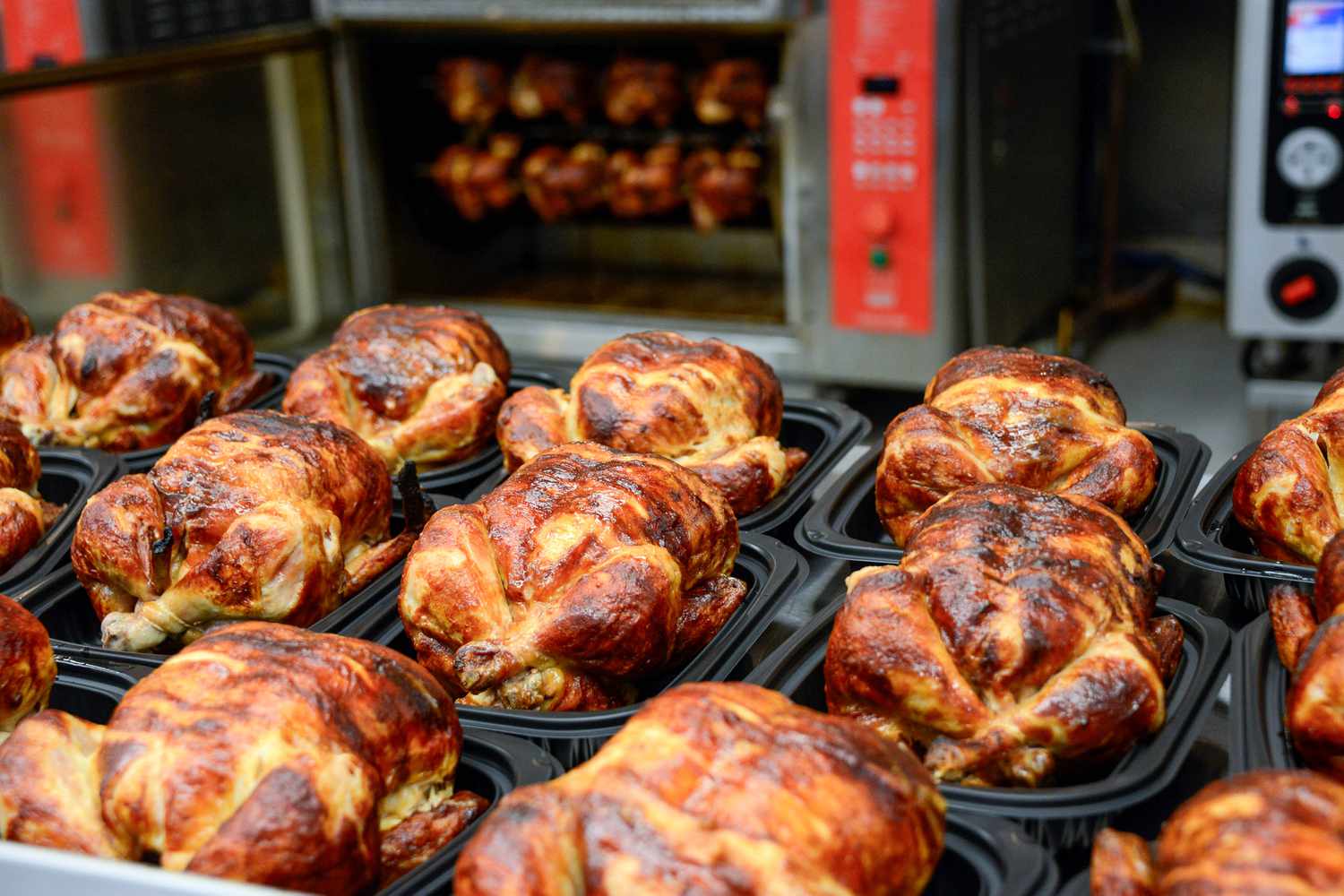
WHY IT MATTERS: The House-passed bill contains a provision — adopted by an overwhelming 384–35 bipartisan vote — that would allow SNAP recipients to purchase hot rotisserie chicken with their benefits. Current law prohibits SNAP from being used on hot, ready-to-eat foods.
WHAT’S NEXT: The current extension of the 2018 Farm Bill expires September 30, 2026, and with midterm election pressures expected to slow legislative activity in the fall, the farm bill is seen as a prime candidate for lame-duck action if a compromise can be negotiated. Democrats have been pushing for any bipartisan deal to roll back SNAP restrictions included in the One Big Beautiful Bill reconciliation package, which remains the chief sticking point. NCC will continue to monitor the Senate’s progress and advocate for the SNAP rotisserie chicken provision as the bill advances.
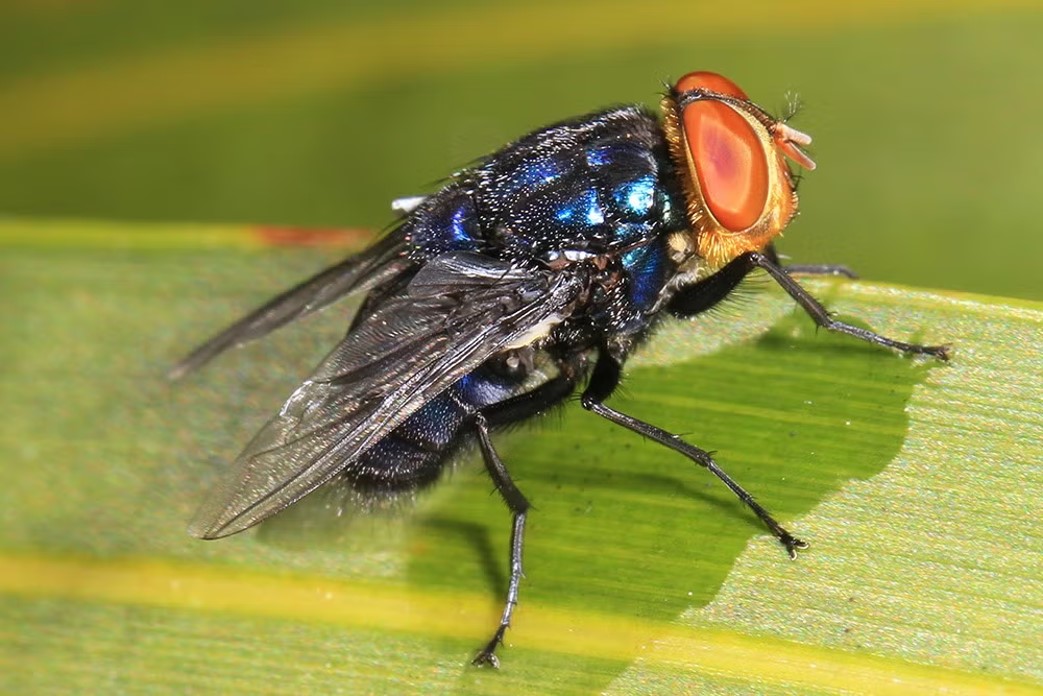
WHAT HAPPENED: New World Screwworm (NWS) — a parasitic fly whose larvae burrow into the living flesh of warm-blooded animals — has returned to the United States for the first time in nearly 60 years, and the situation has escalated rapidly over the past two weeks. USDA confirmed the first domestic case on June 3 in a calf in Zavala County, Texas. Since then, the total number of confirmed cases has grown to roughly a dozen, spanning multiple Texas counties as well as Lea County, New Mexico. On June 11, CDC activated a Level 3 emergency response to support USDA’s ongoing containment efforts. USDA is currently dispersing 100 million sterile insects per week along the U.S.-Mexico border as its primary suppression tool, and has established a dedicated NWS Directorate within APHIS to coordinate the federal response.
WHY IT MATTERS: While NWS primarily affects cattle, sheep, goats, pets, and wildlife — not chickens — it is a significant issue for NCC members, especially for those in infected zones relating to flock movement requirements — should additional detections occur. NWS can infest birds in rare cases, and the rapid geographic spread of confirmed cases underscores how quickly an animal disease can move once it enters the country.
STATES BEGIN RESPONDING: As the outbreak expands, states outside the immediate detection zone are beginning to act. The Arkansas Department of Agriculture announced this week that all warm-blooded animals — including household pets — entering the state from any state with confirmed NWS detections must be accompanied by an Interstate Certificate of Veterinary Inspection (iCVI) dated within seven days of entry, and that the certificate must include a statement confirming the animals were inspected and found free of any signs of infestation.
IS NWS A FOOD SAFETY ISSUE? USDA has emphasized that the U.S. food supply is safe — NWS larvae do not infest meat or poultry products, and any affected animal would be identified and removed during FSIS inspection. Dr. Mindy Brashears issued a recorded statement on the safety of the U.S. food supply in the wake of the recent detections of NWS in Texas and New Mexico.
WHAT’S NEXT: Veterinary experts have warned that ramping up sterile fly production to meet the scale of the outbreak could take 18 months to two years, meaning this is likely a prolonged fight rather than a quick containment. The Trump administration has appointed a Senior Advisor for NWS Preparedness and is moving to construct a domestic sterile fly production facility. NCC will continue to monitor the situation, coordinate with APHIS, and make members aware of developments. For information on the most recent NWS detections, please refer to the APHIS dashboard which is updated by 6pm EST each day.
WHAT HAPPENED: Rep. Mike Collins (R-GA) won the Republican runoff for Georgia’s U.S. Senate seat on June 16, defeating former football coach Derek Dooley to become the party’s nominee. Collins, who represents Georgia’s 10th Congressional District and is a lifelong resident of Jackson, Georgia, will face incumbent Democratic Sen. Jon Ossoff in the November general election. The race is considered one of the most competitive Senate contests of the 2026 cycle, with control of the chamber potentially at stake.
WHAT’S NEXT: Collins and Ossoff will face off in the November 3 general election. Georgia has been a closely contested state in recent cycles, and the race is expected to draw significant national attention and resources from both parties.

Incumbent Senator Jon Ossoff (L) and Rep. Mike Collins (R)
U.S. total broiler slaughter data for the week ending June 13, 2026, is estimated by USDA’s Poultry Market News Service to be 172,275,000 broilers, a 1-percent increase from the same week a year earlier.
The 1-percent increase in slaughter compares with a 2-percent increase in eggs set in the United States, 10 weeks earlier, and a 2-percent increase in chicks placed 7 weeks earlier in the United States. USDA’s latest Broiler Hatchery report can be viewed here.
| U.S. Eggs Set, Chicks Placed, Broiler Slaughter Report | ||||||||||
| Week ending | Eggs set | Chicks placed | Eggs set | Chicks placed | Broilers slaughtered | |||||
| change from | change from | 10 weeks previous | 7 weeks previous | |||||||
| 1 year | 1 year | 1 year | 1 year | 1 year | ||||||
| -000- | % | -000- | % | -000- | % | -000- | % | -000- | % | |
| May | ||||||||||
| 2 | 257,171 | 103 | 198,754 | 104 |
254,948 | 102 | 196,241 | 102 | 171,230 | 103 |
| 9 | 255,377 | 102 | 198,147 | 103 |
254,423 | 102 | 196,001 | 102 | 171,765 | 102 |
| 16 | 256,660 | 102 | 198,526 | 103 |
253,644 | 102 | 195,765 | 102 | 170,711 | 101 |
| 23* | 256,395 | 102 | 198,833 | 103 |
253,754 | 102 | 196,663 | 103 | 174,103 | 101 |
| 30 | 257,517 | 102 | 197,400 | 102 |
255,241 | 103 | 197,285 | 100 | 156,314 | 104 |
| Jun | ||||||||||
| 6 | 256,971 | 102 | 198,472 | 103 | 256,471 | 103 | 198,480 | 104 | 173,295 | 103 |
| 13 | 254,839 | 101 | 198,381 | 102 | 253,609 | 102 | 195,753 | 102 | 172,275 | 101 |
| 20 | — | — | — | — |
256,827 | 103 | 198,754 | 104 | — | — |
*Memorial Day Weekend
WHAT HAPPENED: USDA’s Agricultural Marketing Service (AMS) on Monday officially announced in the Federal Register an 18-month delay of the “Poultry Grower Payment Systems and Capital Improvement Systems” rule, which was set to go into effect on July 1, 2026. AMS proposed the delay in March after reviewing the rule’s potential costs to the poultry industry and consumers.
WHY IT MATTERS: The rule would have effectively banned performance-based bonuses for chicken farmers, requiring all growers to be paid the same rate regardless of their hard work, investments, housing conditions, or bird welfare practices. AMS acknowledged that even a small drop in production efficiency under the rule could result in significantly higher broiler costs — ultimately hitting consumers at the grocery store.
NCC’s TAKE: We strongly support the delay. “I want to thank Secretary Rollins for delaying this Biden-era regulation, which was published less than one week before President Trump was inaugurated,” said NCC President Harrison Kircher. “This rule threatened to dismantle an efficient and successful industry model that rewards farmers and helps keep chicken affordable for American consumers. We applaud the Trump administration’s decision to delay this rule and urge its full recission.” Our March press release supporting AMS’s announcement can be found here.
The National Chicken Council’s 2026 Summer Board of Directors Meeting will take place June 11–13 in Jackson Hole, Wyoming.
The meeting will bring together NCC Board members, Allied Leader representatives, and invited guests.
We look forward to welcoming attendees next week and would like to thank our sponsors for their generous support of this meeting.


| 
| 
| 
|

| 
| 
| 
|
| 
| 
| 
|

| 
| 
| 
|

| 
| 
| 
|
WHAT HAPPENED: The House of Representatives yesterday — by a vote of 213-210 — passed its version of the Agriculture, Rural Development, FDA, and Related Agency Appropriations Act of 2027. The bill funds agricultural and food programs and services, including food and medical product safety, animal and plant health programs, rural development and farm services, marketplace oversight and nutrition programs. A summary of the bill is available here.
WHY IT MATTERS: The bill passed with two provisions included that are supported by NCC and important to the broiler industry. The first would rescind several Biden-era Packers and Stockyards regulations, including: the final rule entitled “Transparency in Poultry Grower Contracting and Tournaments;” the final rule entitled “Inclusive Competition and Market Integrity Under the Packers and Stockyards Act;” the final rule entitled “Poultry Grower Payment Systems and Capital Improvement Systems;” and the proposed rule entitled “Fair and Competitive Livestock and Poultry Markets.”
A separate provision would allow surplus broiler hatching eggs to be sold into the breaker market, similar to NCC’s past petitions and bills introduced in Congress.
NCC’s TAKE: NCC advocated for the inclusion of these two provisions, urged final passage of the bill, and we are pleased it contains support for a number of chicken producers’ priorities. “I want to thank Chairmen Cole and Harris for their leadership and for getting this bill over the finish line in the House,” said NCC President Harrison Kircher.
WHAT ELSE IS IN THE BILL: $1.226 billion for the Food Safety and Inspection Service (FSIS), which is $10.8 million above the FY26 enacted level, to fund meat and poultry inspectors.
WHAT’s NEXT: The Senate will take up its version of the spending bill, but the timeframe is unknown.
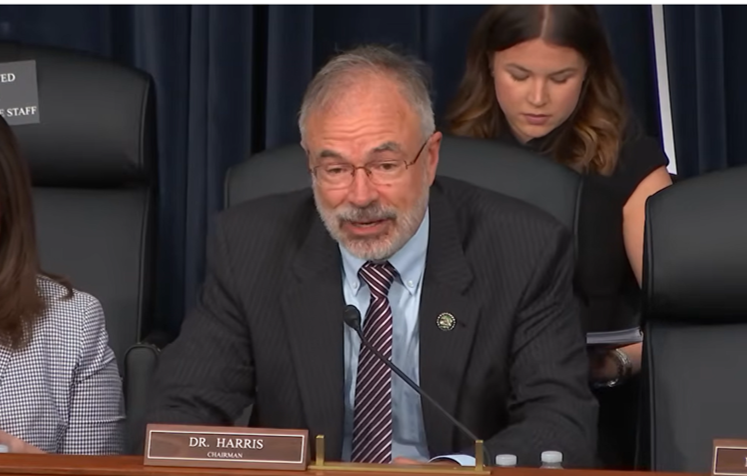
Subcommittee Chairman Andy Harris (R-MD) speaks the committee mark-up of the bill
WHAT HAPPENED: USDA Secretary Brooke Rollins made her second annual appearance before the House Agriculture Committee yesterday in a hearing that touched on a wide-ranging list of topics, from the recent finding of New World Screwworm in Texas to SNAP funding and work-requirement changes to USDA’s reorganization plan.
WHY IT MATTERS: One of the hearing’s recurring themes was the recent House-passed Farm, Food, and National Security Act, also known as the Farm Bill. This bill includes an amendment to add hot rotisserie chicken to SNAP eligibility, which is one of NCC’s priorities.
SNAP CHANGES: The most contentious parts of the hearing were in discussions over SNAP changes made by the “One Big Beautiful Bill” last summer. Numerous Democratic committee members addressed the falling participation in the program and the work requirements enacted in the OBBB as effectively cutting the program. Rollins defended the changes, noting that the roughly 4.5 million fewer participants in the program as a result of work requirements is restoring program integrity.
USDA REORGANIZATION: Rollins also defended USDA’s ongoing restructuring, which impacts many areas of the department and would move staff away from the Washington, D.C. region.
NEW WORLD SCREWWORM: Rollins addressed the recently confirmed detection of NWS, the first U.S. detection since the 1960’s, and sought to reassure members of the committee of USDA’s response to the detection. She noted that USDA has been working with other government agencies and preparing for a potential detection for over a year, including standing up the sterile-fly facility in South Texas and the suspension of live animal imports from Mexico.
WHAT’S NEXT: Secretary Rollins will testify before the Senate Agriculture Committee on Wednesday, June 10, at 10 am EST. A link to the livestream of that hearing can be found here.
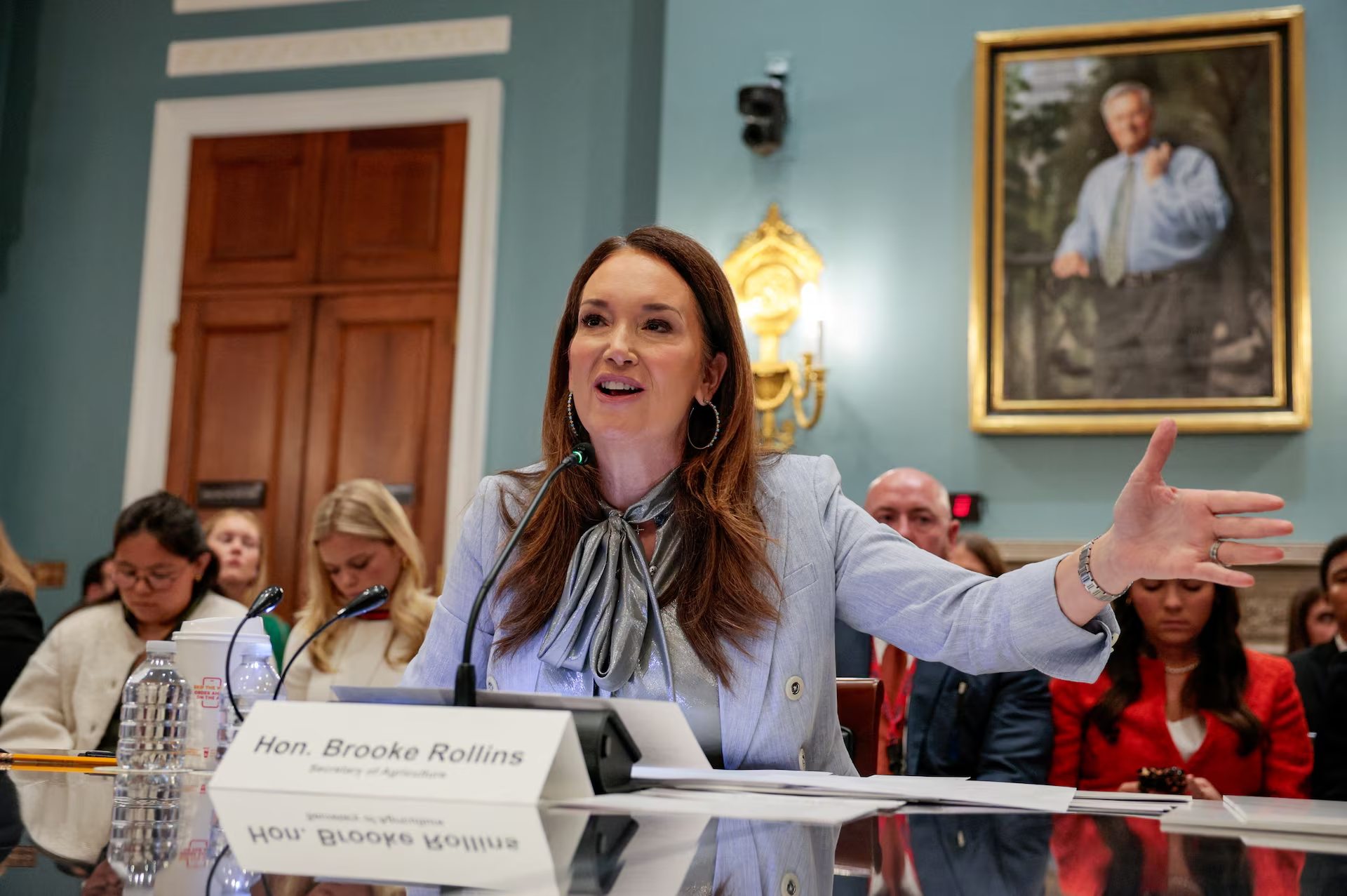
Secretary Rollins testifies at the hearing on Thursday. Source: Reuters